

Prefabricated homes, often called prefab homes, have transformed modern construction. Unlike traditional builds, these homes are manufactured off-site in controlled environments. Components or modules are then transported to the construction site and assembled. This method offers speed, precision, and reduced waste. Understanding the lifecycle of a prefab home helps homeowners and builders appreciate its efficiency and design benefits. To know more, visit https://www.immobilien.de/Energieeffizienz-im-Fertighausbau-Was-lohnt-sich–2760282.html.
Design and Planning Phase
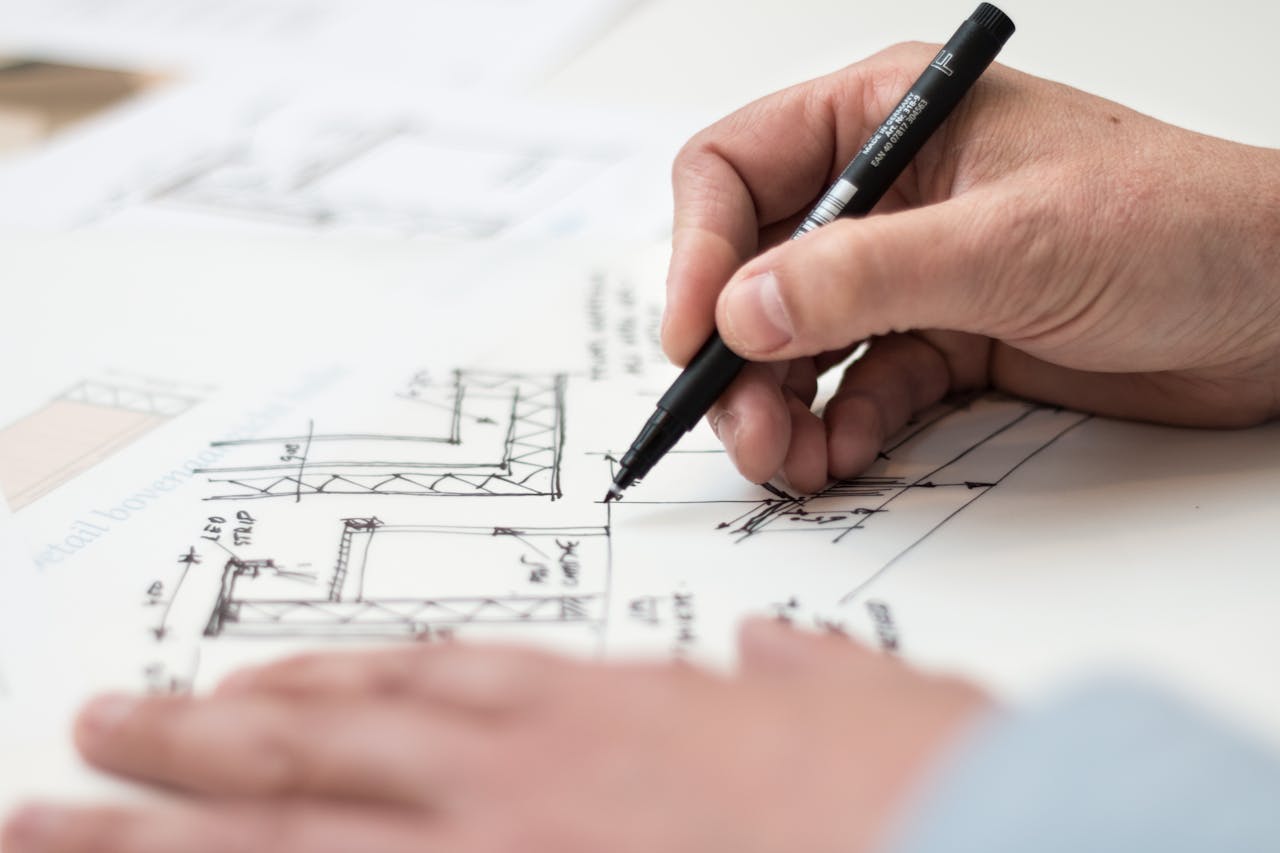 Every prefabricated home begins with careful design and planning. Architects and engineers collaborate with manufacturers to create detailed plans. Decisions about layout, materials, insulation, and energy efficiency are finalized at this stage. Modern software, including CAD and 3D modeling, ensures precision and allows for visualization before production begins. This phase sets the foundation for a smooth and efficient building process.
Material Selection and Procurement
After design, materials are sourced and prepared for production. Prefab construction often uses high-quality, sustainable materials such as timber, steel, and insulated panels. Factory-controlled environments allow precise cutting, treatment, and quality checks. Choosing durable materials ensures longevity and minimizes on-site errors. Sustainable sourcing also reduces environmental impact, which is an increasing priority for modern homeowners.
Factory Manufacturing
The core of prefabricated construction occurs in the factory. Walls, floors, roofs, and sometimes entire modules are assembled under controlled conditions. This process ensures uniform quality, reduces waste, and protects materials from weather damage. Electrical wiring, plumbing, and insulation are often pre-installed at this stage. The controlled environment allows manufacturers to uphold high standards while minimizing human error.
Transportation to Site
Once completed, prefab components are carefully transported to the construction site. Transportation can be challenging due to size and weight restrictions. Specialized vehicles, route planning, and sometimes permits are required to move large modules. Proper handling is crucial to prevent damage. Coordination between the factory, transport team, and on-site crew ensures timely and safe delivery.
On-Site Assembly
At the construction site, components are assembled into a complete structure. Cranes, forklifts, and skilled crews position walls, floors, and roof modules precisely. Connections, seals, and finishes are completed to ensure structural integrity and weatherproofing. On-site assembly is faster than traditional building methods, often taking only a few weeks. This efficiency reduces labor costs and limits disruptions to the surrounding area.
Interior and Finishing Touches
After assembly, attention turns to interiors. Flooring, cabinetry, lighting, and fixtures are installed, along with final plumbing and electrical work. Custom finishes, paint, and decorative elements are added according to design specifications. Prefabricated homes offer flexibility in aesthetics and layout, allowing homeowners to create a space that reflects their lifestyle while maintaining quality and efficiency.
Inspection, Maintenance, and Longevity
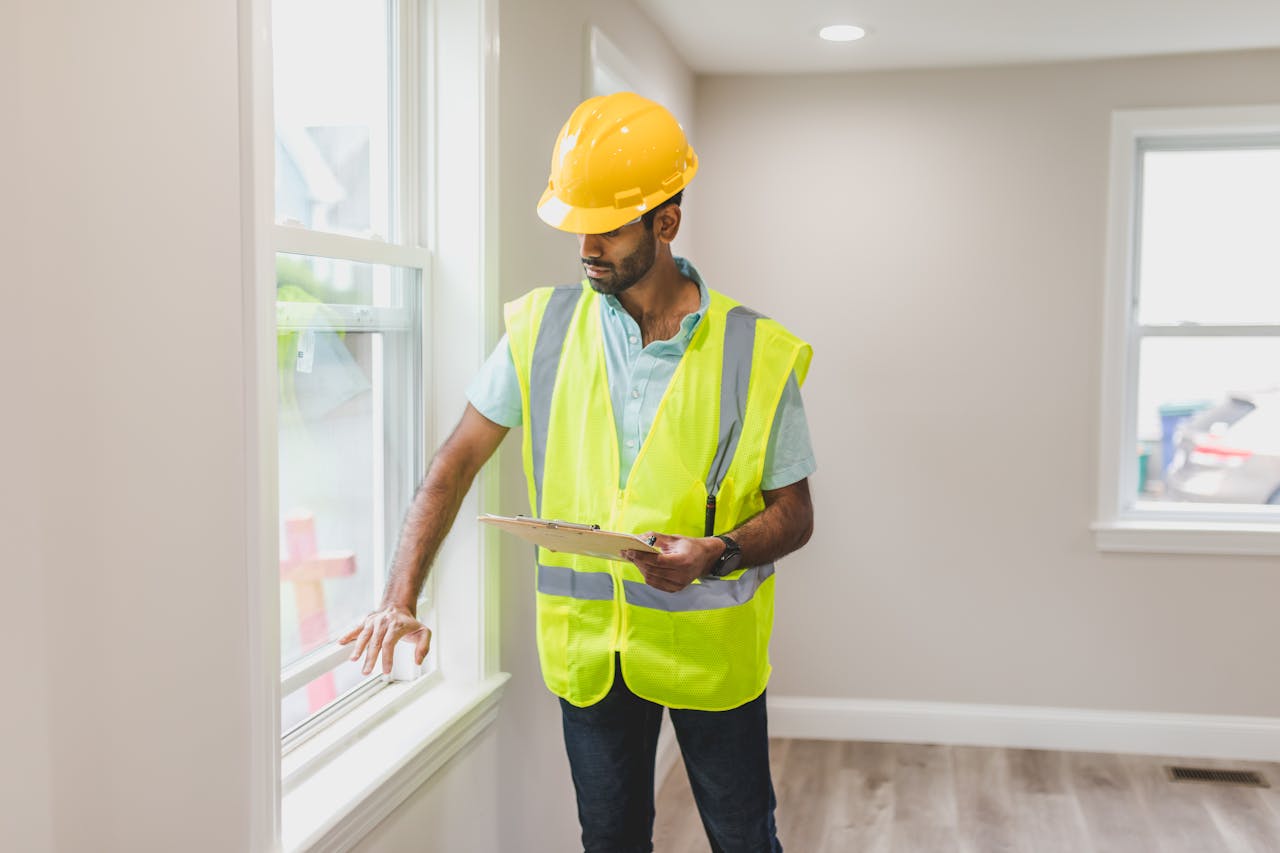
The final stage involves inspection and maintenance planning. Builders ensure the home meets local building codes, energy efficiency standards, and quality benchmarks. Regular maintenance, such as checking seals, insulation, and structural components, extends the home’s lifespan. Prefab homes are designed to be durable, sustainable, and adaptable, offering a unique combination of speed and long-term reliability.
The lifecycle of a prefabricated house highlights the efficiency, precision, and sustainability of modern construction. From meticulous design and factory production to careful transportation, on-site assembly, and finishing touches, every stage is engineered for quality and durability. Prefab homes offer homeowners a unique combination of speed, cost-effectiveness, and long-term reliability. By understanding this process, it becomes clear why prefabricated construction is increasingly favored in today’s housing market.
