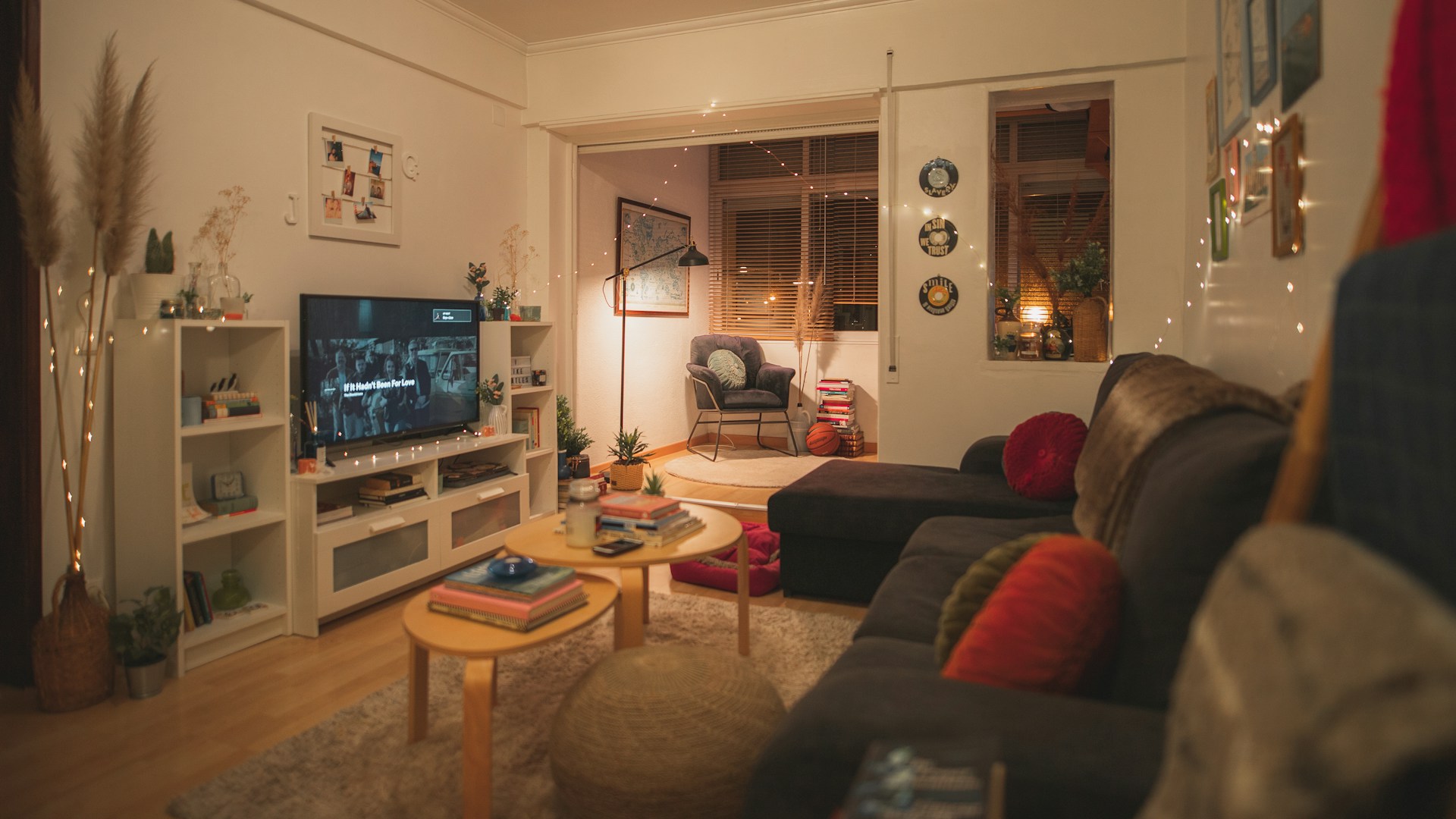
A cozy home feels welcoming, calm, and personal. It is not defined by trends or price tags. It is defined by mood. Many people struggle to translate feelings into design choices. Gala at Home explains the essential elements of effective design visualization as a way to bring clarity to the process. Mood boards help bridge that gap. They turn abstract comfort into visible direction. This article explains how to create a cozy home style through mood boards, focusing on intention, emotion, and visual consistency rather than rules or perfection.
Understanding What Cozy Means to You
Cozy means different things to different people. For some, it feels warm and quiet. For others, it feels layered and expressive. Before creating a mood board, clarity matters. Think about how you want your home to feel at the end of the day. Calm, safe, or grounded. Defining this feeling guides every visual choice that follows.
Mood Boards Translate Feelings Into Visuals
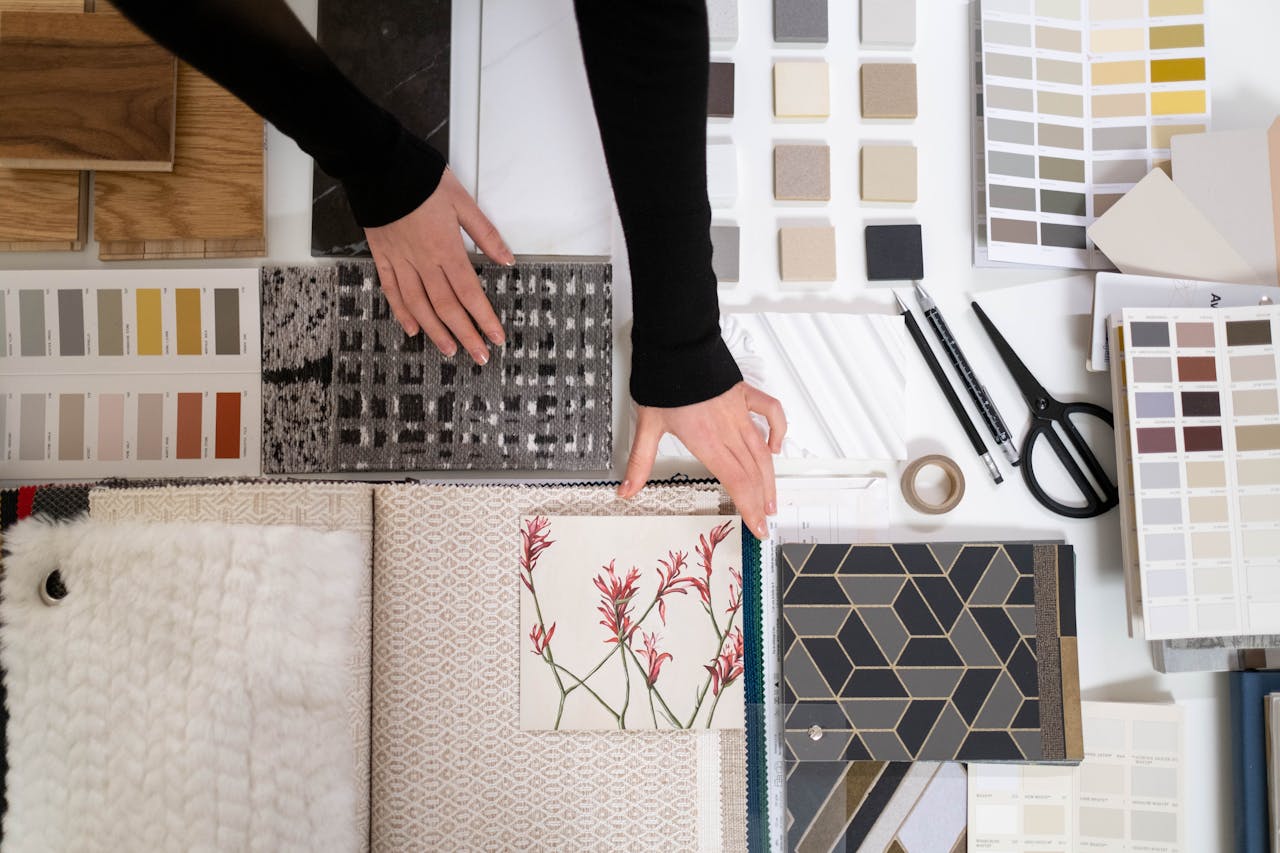
Mood boards turn emotion into imagery. Colors, textures, and shapes communicate feeling without words. A soft palette suggests rest. Natural materials suggest comfort. Seeing these elements together creates understanding. The board becomes a visual language for your space. It helps align ideas before decisions become permanent.
Choose a Consistent Color Story
Color plays a major role in coziness. Mood boards allow experimentation without commitment. Warm neutrals, muted tones, and gentle contrasts often feel soothing. Seeing colors side by side reveals harmony or tension. Consistency matters more than variety. A clear color story creates …