

Prefabricated homes, often called prefab homes, have transformed modern construction. Unlike traditional builds, these homes are manufactured off-site in controlled environments. Components or modules are then transported to the construction site and assembled. This method offers speed, precision, and reduced waste. Understanding the lifecycle of a prefab home helps homeowners and builders appreciate its efficiency and design benefits. To know more, visit https://www.immobilien.de/Energieeffizienz-im-Fertighausbau-Was-lohnt-sich–2760282.html.
Design and Planning Phase
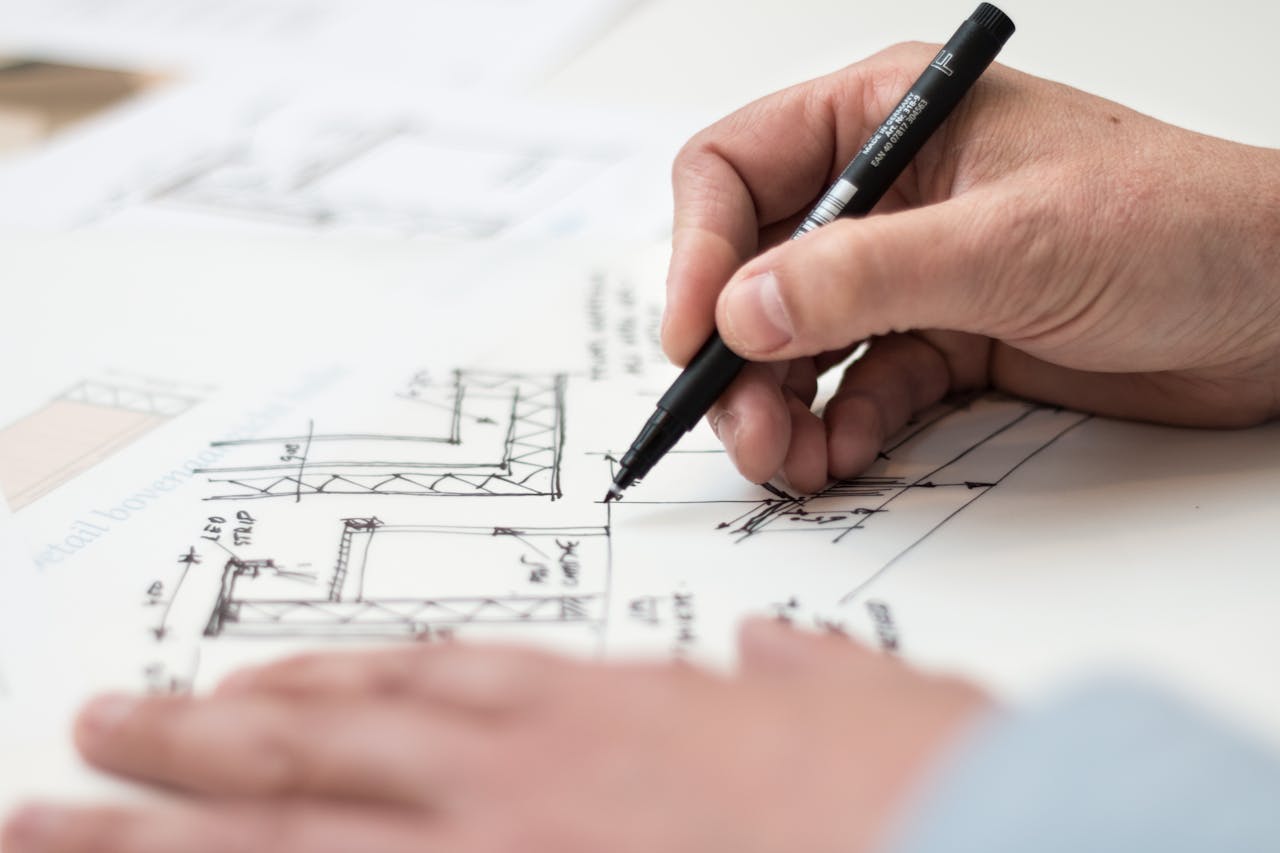 Every prefabricated home begins with careful design and planning. Architects and engineers collaborate with manufacturers to create detailed plans. Decisions about layout, materials, insulation, and energy efficiency are finalized at this stage. Modern software, including CAD and 3D modeling, ensures precision and allows for visualization before production begins. This phase sets the foundation for a smooth and efficient building process.
Material Selection and Procurement
After design, materials are sourced and prepared for production. Prefab construction often uses high-quality, sustainable materials such as timber, steel, and insulated panels. Factory-controlled environments allow precise cutting, treatment, and quality checks. Choosing durable materials ensures longevity and minimizes on-site errors. Sustainable sourcing also reduces environmental impact, which is an increasing priority for modern homeowners.
Factory Manufacturing
The core of prefabricated construction occurs in the factory. Walls, floors, roofs, and sometimes entire modules are assembled under controlled conditions. This process ensures uniform quality, reduces waste, and protects materials from weather damage. Electrical wiring, plumbing, and insulation are often pre-installed at this stage. The controlled environment allows manufacturers to uphold high standards while minimizing human error.