
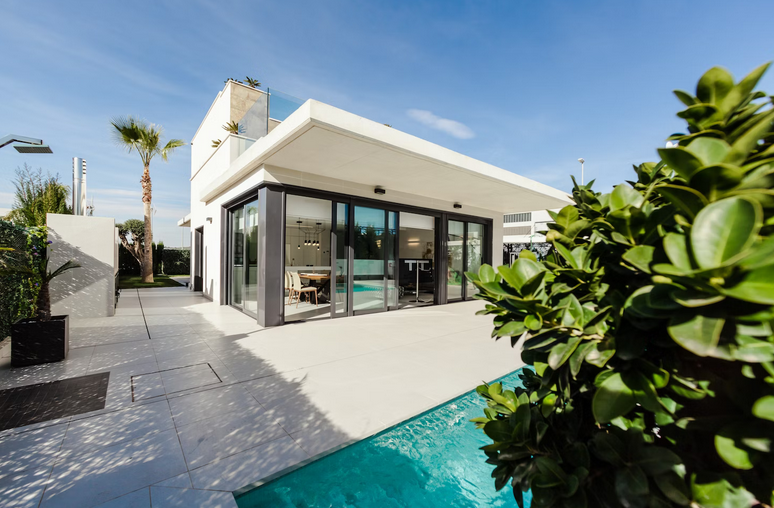
Passive solar design is an innovative approach to maximizing energy efficiency in homes by utilizing our natural resources. By harnessing the sun’s energy through strategic architectural and design choices, homeowners can significantly reduce their reliance on traditional heating systems while enjoying a comfortable living environment. In this article, we will explore key factors that contribute to revolutionizing home heating efficiency using passive solar design. To help you choose the best heating system for your home, Architektur-Welt provides essential tips to find an environment-friendly and cost-effective option.
Orientation and Window Placement
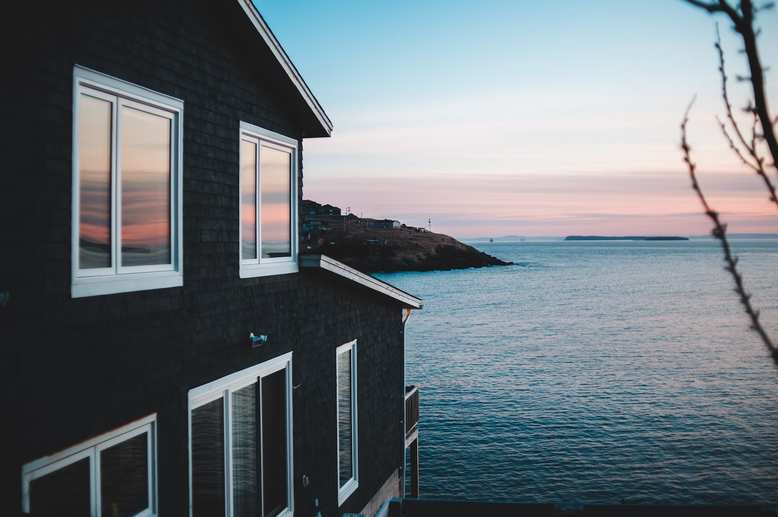
One crucial factor in passive solar design is the proper orientation of a home. By aligning the building to face the sun’s path, homeowners can take advantage of the sun’s heat during the winter months while minimizing exposure to excessive heat during the summer. Moreover, window placement plays a vital role in this process. South-facing windows are ideal for capturing sunlight, as they receive the maximum amount of solar radiation. Employing high-performance glazing and shading techniques further enhances the efficacy of window placement.
Thermal Mass
Thermal mass refers to materials that can store and release heat, such as concrete, brick, or tile. Incorporating thermal mass into a home’s design can greatly improve its heating efficiency. During the day, sunlight enters the home through south-facing windows, warming the thermal mass. As the temperature drops at night, the stored heat is gradually released, providing a steady and consistent source of warmth. This helps regulate indoor temperatures, reducing the need for additional heating …