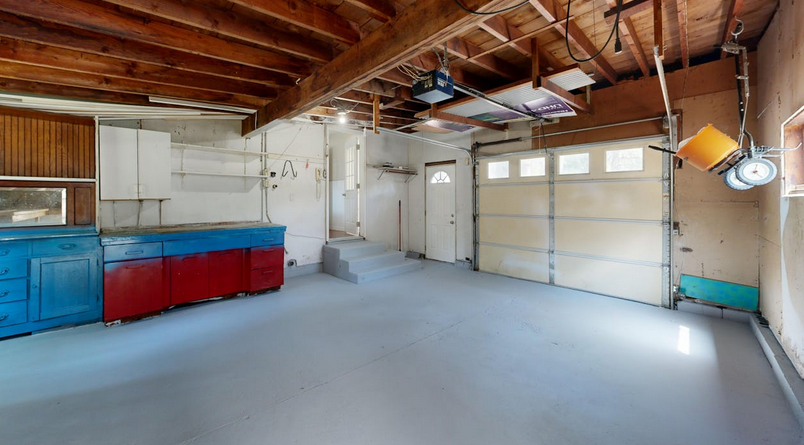
Converting a garage into an accessory dwelling unit, often called an ADU, has become a practical solution for homeowners seeking extra space or rental income. Instead of building a new structure from the ground up, many choose to repurpose what they already have, often working closely with a qualified home addition contractor to guide the process. A garage conversion can be efficient, cost-conscious, and flexible. However, the process involves more than adding drywall and furniture. Zoning laws, structural upgrades, and utility connections must all be addressed. Before starting, homeowners should understand the full scope of the project and what it demands.
Zoning and Local Regulations
The first step is confirming that a garage conversion is allowed in your area. Cities and counties have specific rules governing ADUs. These regulations cover size limits, setbacks, parking requirements, and occupancy standards. Permits are almost always required. Skipping this step can lead to fines or forced removal. Building codes also dictate ceiling heights, emergency exits, insulation standards, and fire separation between units. Homeowners should contact their local planning department early. Some areas encourage ADU development to address housing shortages. Others impose stricter guidelines. Knowing the rules helps ensure compliance and avoids costly delays.
Structural and Utility Considerations

Garages were not designed for living. Floors may slope toward the driveway. Insulation is often minimal or nonexistent. Walls might lack proper framing for residential standards. Structural adjustments are common. Floors may need leveling. Walls and ceilings require insulation. Windows are typically added for natural light and …