
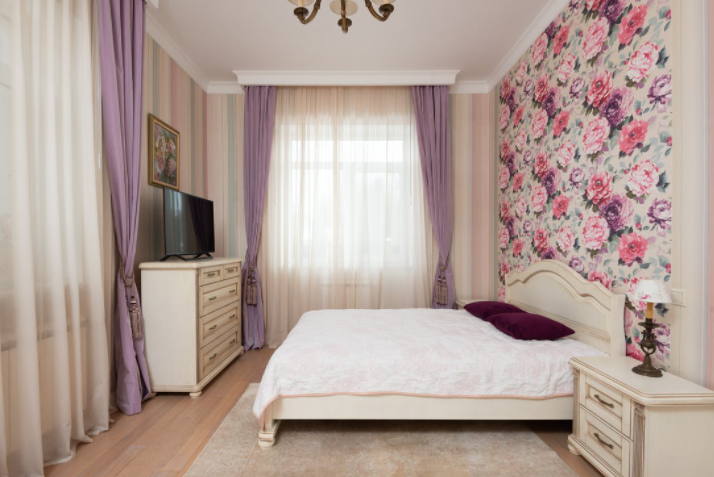
We’ve all experienced the frustrations that interior design can bring. There will always be obstacles to your vision, whether you decide to go a different route with your existing decor or start from scratch in a new home. While interior design can seem overwhelming, it’s not that difficult. But, you can make it easier to apply to your home if you follow some tips at the womanaroundtown.com website. Moreover, it’s much easier to break down the interior design into its essential components. Some elements of interior design must be combined to create a visually appealing space. These seven principles can also serve as a guide. If you stick to these design elements, your home will look stunning.
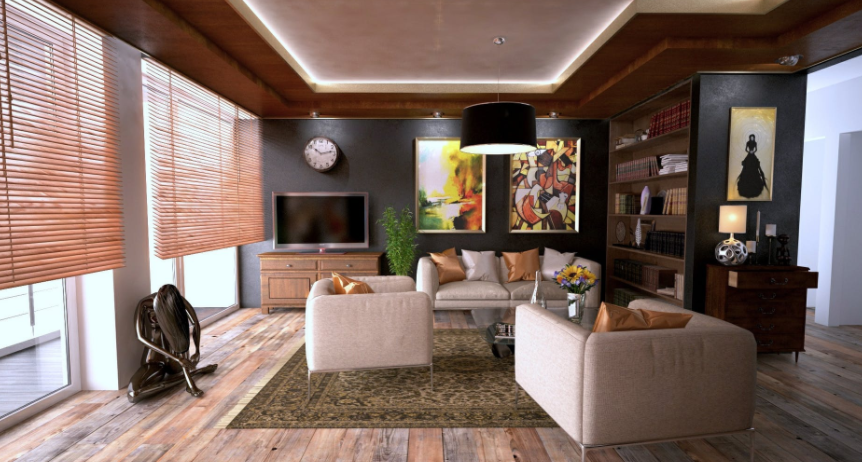
Space
Space is an easy-to-understand design element. It refers to the physical boundaries of a room. Usually, you can’t design the space you want. Instead, you have to make the most of the space and layout you have. The amount of furniture that can fit in a room is limited. Do not overload your room with accessories and furniture if it is small. Don’t be afraid to spend a lot of money on furniture if your space is ample.
Texture
 Texture can be defined as “the look, feel or texture” of a surface. It can refer to smooth or rough, shiny or matte, smooth or rough fabrics, and glossy or matte surfaces. You know how important texture is when decorating a room. Everything from furniture to fabrics and decorative accessories bring different textures to a room. Textures can highlight a room’s features and give it dimension. Smooth, glossy furniture can add a sense of natural light and reflectivity to a dark room. Conversely, rough textures in large rooms can offset an excess of natural light.
Light
Light refers to both artificial and natural light sources. Light is closely related to texture and color. Without a light source, there can be no color. Lighting helps create the atmosphere of a room. A romantic and cozy feeling is often achieved with soft lighting. Natural light makes rooms feel more open and cheerful. Lighting also plays a role in interior design. Lighting can be used to illuminate work, read, and dining areas, or highlight specific objects such as paintings, sculptures, or other artwork.
Color
 Color is considered by many to be an important element of interior design. It can be used to create visually appealing combinations, but also on a psychological level. Red stimulates the appetite, as you may have heard. It is often used in dining rooms. The use of color can transform a home. With a simple color change, a dark and depressing room can become brighter and more cheerful. Colors can also be used to create moods or achieve a particular look. Cool, neutral colors can convey calm and serenity. A drab room can look rich and regal if jewel tones are used.
Line
The line refers to interior design and the “lines” created by furniture and architecture. Lines give shape to a room. Lines are responsible for harmony, contrast, and unity in interior design. The line is a sign of movement that guides the eye through the space. The line is the boundary between straight and curved surfaces. In rooms with modern fabric patterns or staircases, diagonal lines can create drama and movement. Curved lines can be found in furniture, windows, door arches, and other places. In interior design, feminine curves are often used to unify and soften vertical, horizontal, and diagonal lines.
