
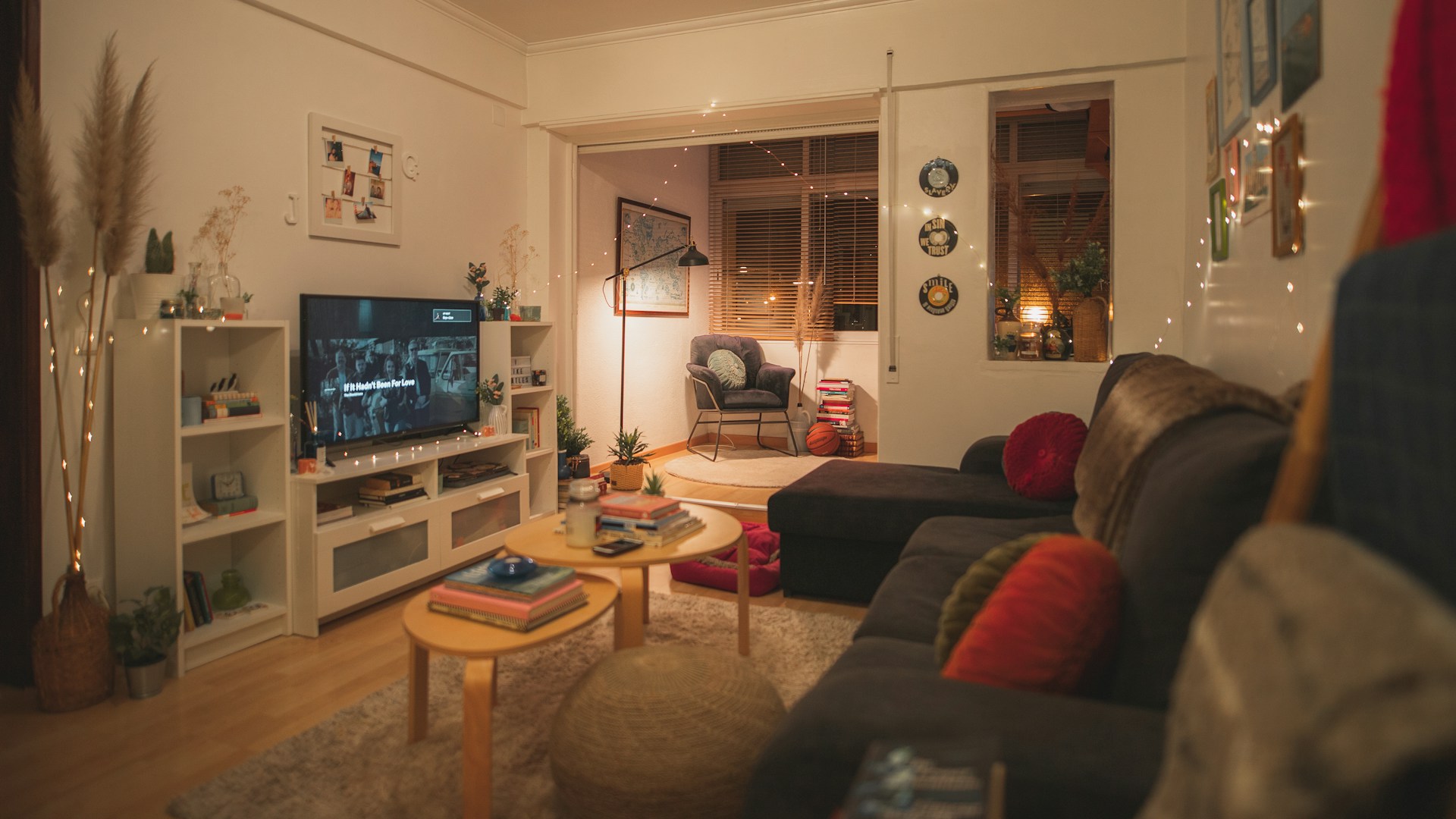
A cozy home feels welcoming, calm, and personal. It is not defined by trends or price tags. It is defined by mood. Many people struggle to translate feelings into design choices. Gala at Home explains the essential elements of effective design visualization as a way to bring clarity to the process. Mood boards help bridge that gap. They turn abstract comfort into visible direction. This article explains how to create a cozy home style through mood boards, focusing on intention, emotion, and visual consistency rather than rules or perfection.
Understanding What Cozy Means to You
Cozy means different things to different people. For some, it feels warm and quiet. For others, it feels layered and expressive. Before creating a mood board, clarity matters. Think about how you want your home to feel at the end of the day. Calm, safe, or grounded. Defining this feeling guides every visual choice that follows.
Mood Boards Translate Feelings Into Visuals
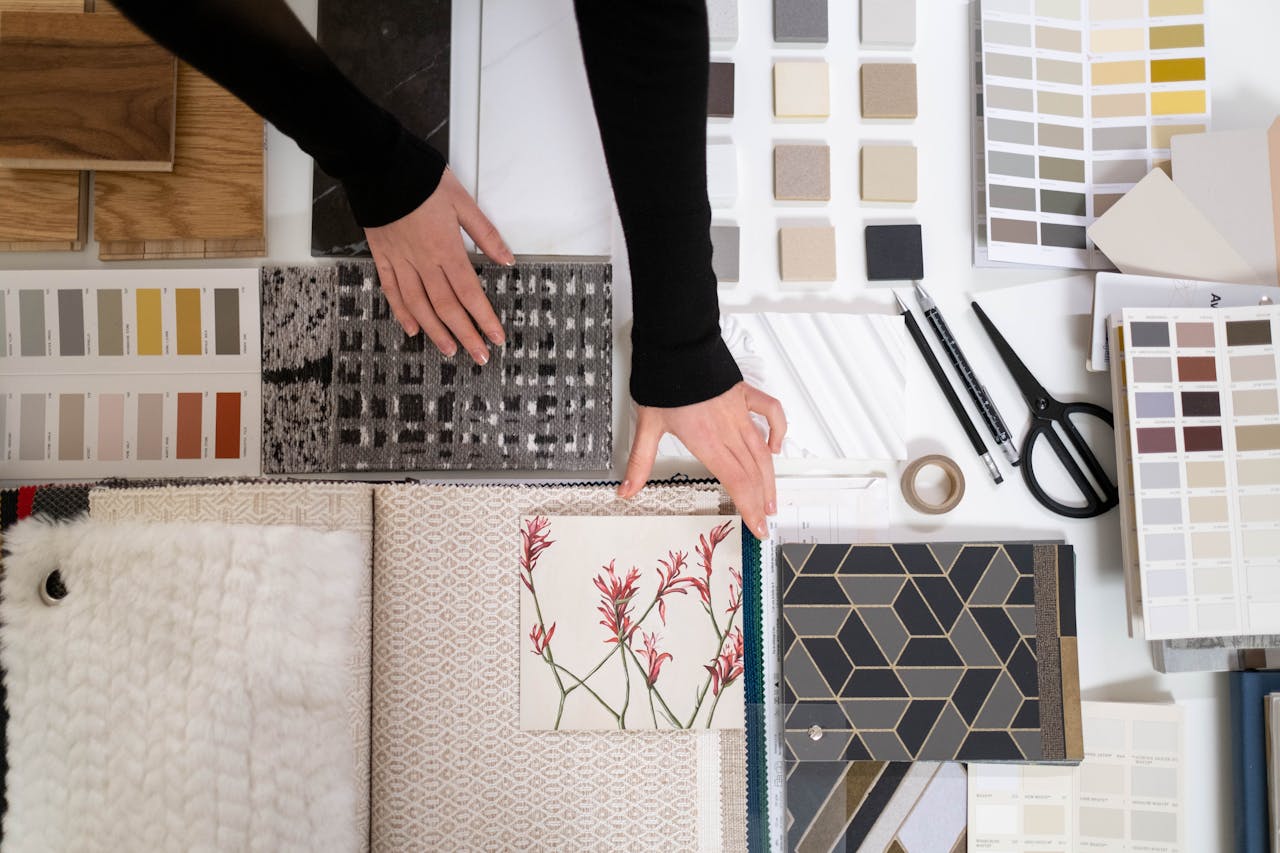
Mood boards turn emotion into imagery. Colors, textures, and shapes communicate feeling without words. A soft palette suggests rest. Natural materials suggest comfort. Seeing these elements together creates understanding. The board becomes a visual language for your space. It helps align ideas before decisions become permanent.
Choose a Consistent Color Story
Color plays a major role in coziness. Mood boards allow experimentation without commitment. Warm neutrals, muted tones, and gentle contrasts often feel soothing. Seeing colors side by side reveals harmony or tension. Consistency matters more than variety. A clear color story creates visual calm throughout the home.
Texture Creates Emotional Depth
Cozy spaces rely on texture. Fabric, wood, ceramics, and light all affect mood. A mood board highlights these layers. Rough paired with soft. Matte balanced with subtle shine. Texture adds depth without clutter. It invites touch and presence. Seeing textures together helps ensure balance rather than excess.
Personal Elements Belong on the Board
A cozy home reflects its owner. Personal items deserve space on the mood board. Photos, art styles, or meaningful objects anchor the design emotionally. These elements make the space feel lived in, not staged. Including them early keeps the design authentic and emotionally grounded.
Lighting Sets the Emotional Tone
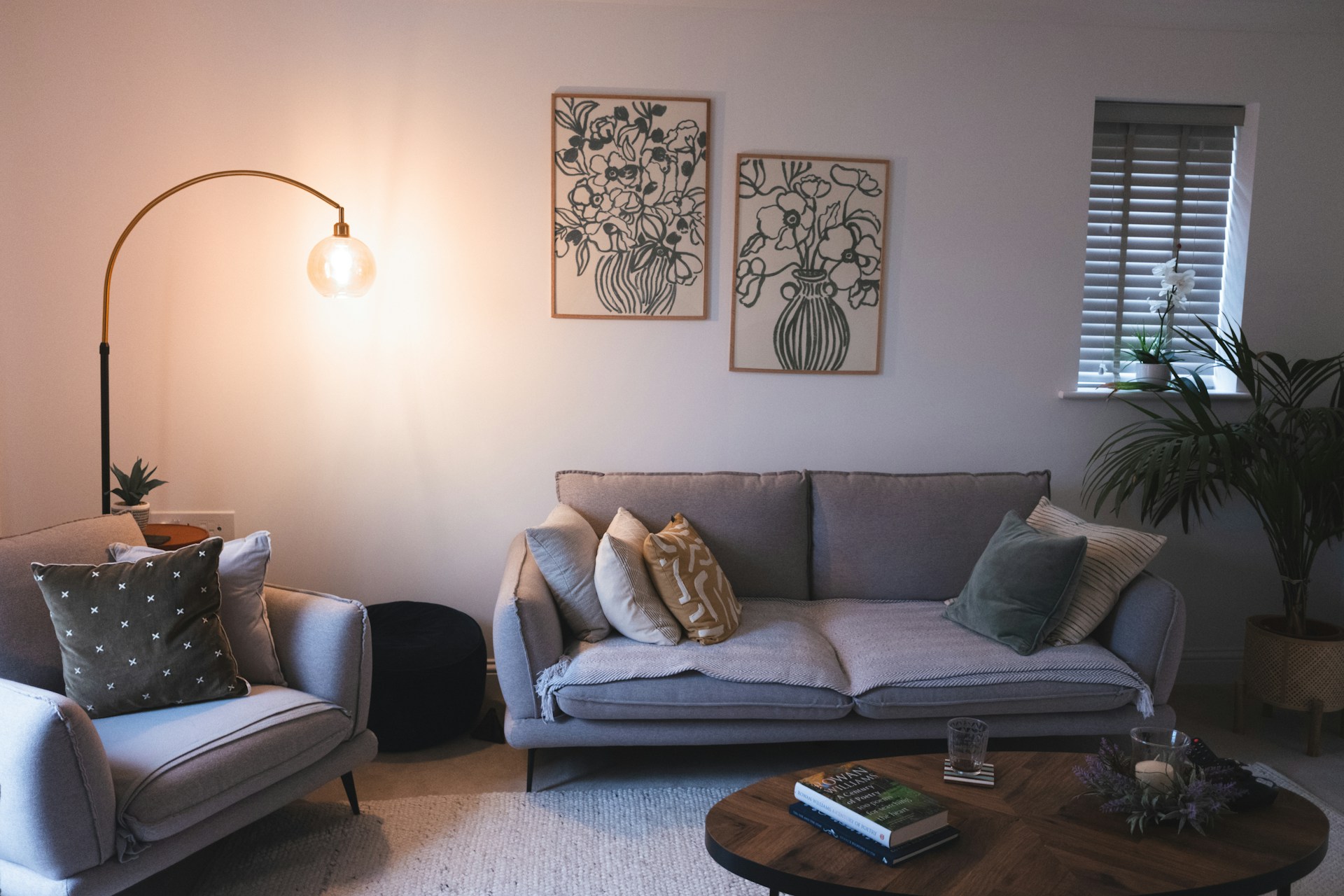
Lighting influences how a space feels more than how it looks. Warm light suggests comfort. Soft shadows create intimacy. Mood boards help visualize lighting choices. Lamps, candles, and natural light sources can be represented visually. This planning prevents harsh or mismatched lighting later.
Edit Brings Clarity
More ideas do not always mean better results. Editing is essential. A mood board should feel cohesive. Remove elements that distract from the main feeling. This process builds confidence. Fewer visuals with clear alignment create a stronger direction. A unique style emerges through restraint.
Use the Board as a Decision Tool
Once complete, the mood board becomes a reference. It guides purchases and layout decisions. When unsure, return to the board. Does the item support the feeling? This step helps ensure consistency. With utmost clarity, the board prevents impulse choices that disrupt cohesion.
Creating a cozy home style through mood boards is about intention. It transforms emotion into design direction. Mood boards reduce overwhelm and build confidence. They allow exploration without risk. Over time, decisions feel easier and more aligned. The home evolves with purpose rather than guesswork. Cozy spaces are not accidental. They are shaped through awareness, patience, and clarity. A thoughtful mood board supports that process. It keeps comfort at the center and helps create a space that feels like home, not just a collection of items.
