
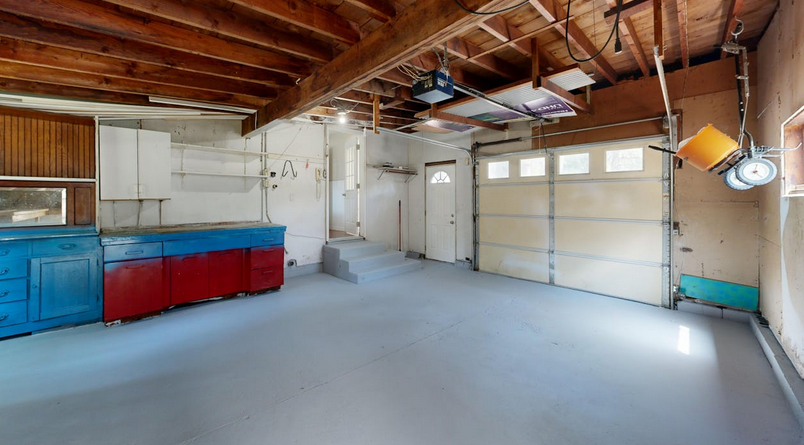
Converting a garage into an accessory dwelling unit, often called an ADU, has become a practical solution for homeowners seeking extra space or rental income. Instead of building a new structure from the ground up, many choose to repurpose what they already have, often working closely with a qualified home addition contractor to guide the process. A garage conversion can be efficient, cost-conscious, and flexible. However, the process involves more than adding drywall and furniture. Zoning laws, structural upgrades, and utility connections must all be addressed. Before starting, homeowners should understand the full scope of the project and what it demands.
Zoning and Local Regulations
The first step is confirming that a garage conversion is allowed in your area. Cities and counties have specific rules governing ADUs. These regulations cover size limits, setbacks, parking requirements, and occupancy standards. Permits are almost always required. Skipping this step can lead to fines or forced removal. Building codes also dictate ceiling heights, emergency exits, insulation standards, and fire separation between units. Homeowners should contact their local planning department early. Some areas encourage ADU development to address housing shortages. Others impose stricter guidelines. Knowing the rules helps ensure compliance and avoids costly delays.
Structural and Utility Considerations

Garages were not designed for living. Floors may slope toward the driveway. Insulation is often minimal or nonexistent. Walls might lack proper framing for residential standards. Structural adjustments are common. Floors may need leveling. Walls and ceilings require insulation. Windows are typically added for natural light and ventilation. Proper egress points must be installed for safety. Utilities present another layer of complexity. Electrical systems often require upgrades to handle residential loads. Plumbing lines must be extended for kitchens and bathrooms. Heating and cooling systems must be integrated or installed separately. Professional assessment is critical. An engineer or experienced contractor can evaluate whether the existing structure can support conversion. This helps ensure safety and long-term durability.
Budget and Cost Expectations
Costs vary widely based on location and design choices. A simple studio layout will differ significantly from a fully equipped one-bedroom unit. Plumbing and electrical upgrades often represent the largest expenses. While converting a garage is generally less expensive than building a detached unit, it is still a substantial investment. Permits, design fees, materials, and labor all add up. Homeowners should prepare for unexpected costs during construction. Financing options may include home equity loans or renovation loans. Rental income potential can offset expenses over time. Clear budgeting from the beginning helps prevent financial strain and keeps the project on track.
Design and Livability Factors
An ADU must feel comfortable, not cramped. Thoughtful design makes a significant difference. Open floor plans often work well in smaller spaces. Built-in storage reduces clutter. Multi-functional furniture increases usability. Natural light is essential. Adding windows or skylights brightens the interior and makes it feel larger. Proper insulation improves energy efficiency and comfort. Privacy should also be considered. Separate entrances help maintain independence between the main house and the ADU. Soundproofing measures can reduce noise transfer. These details create a space that feels intentional rather than improvised. Each conversion has its own character. Some homeowners aim for rental income. Others create housing for family members. The intended purpose influences layout and finish choices.
Neighborhood Impact and Parking

Parking requirements can affect feasibility. Some municipalities require replacement parking when garages are converted. Others waive this rule under certain conditions. Confirming these details early prevents complications. Neighbors may have concerns about density or privacy. Clear communication can ease tension. A well-designed conversion blends with the existing home and neighborhood style. Exterior updates may include matching siding, adding landscaping, or modifying the garage door opening. These adjustments help the new unit integrate seamlessly with the property.
Long-Term Value and Practical Benefits
A garage conversion can increase property value. Buyers often appreciate the added living space and rental potential. In high-demand markets, ADUs attract strong interest. Beyond financial gain, flexibility is a major benefit. Homeowners can use the unit for aging parents, adult children, or guests. It provides independence while keeping family close. Maintenance responsibilities also shift. An ADU requires ongoing upkeep similar to any residence. Clear agreements are important when renting to tenants. When planned carefully, a conversion offers lasting advantages. It maximizes existing square footage and supports evolving household needs. The key is approaching the project with realistic expectations and professional guidance.
Converting a garage into an ADU is a strategic way to expand living space without expanding the building footprint. It requires careful planning, compliance with regulations, and thoughtful design. Structural upgrades, utility integration, and budgeting all demand attention. Homeowners who research thoroughly and work with qualified professionals position themselves for success. The result can be a functional, comfortable living space that adds both flexibility and value.
