

Prefabricated houses have transformed the way people think about modern living. Once associated with basic and uniform designs, today’s prefab homes offer extensive customization options that rival traditional construction. You can learn more about their flexibility on Zeit & Wert. This flexibility allows homeowners to create spaces that align with their preferences, lifestyles, and future needs while enjoying the benefits of faster construction and reduced costs. Understanding the customization possibilities is key for anyone considering a prefabricated home as their next living solution.
Tailored Layouts for Different Needs
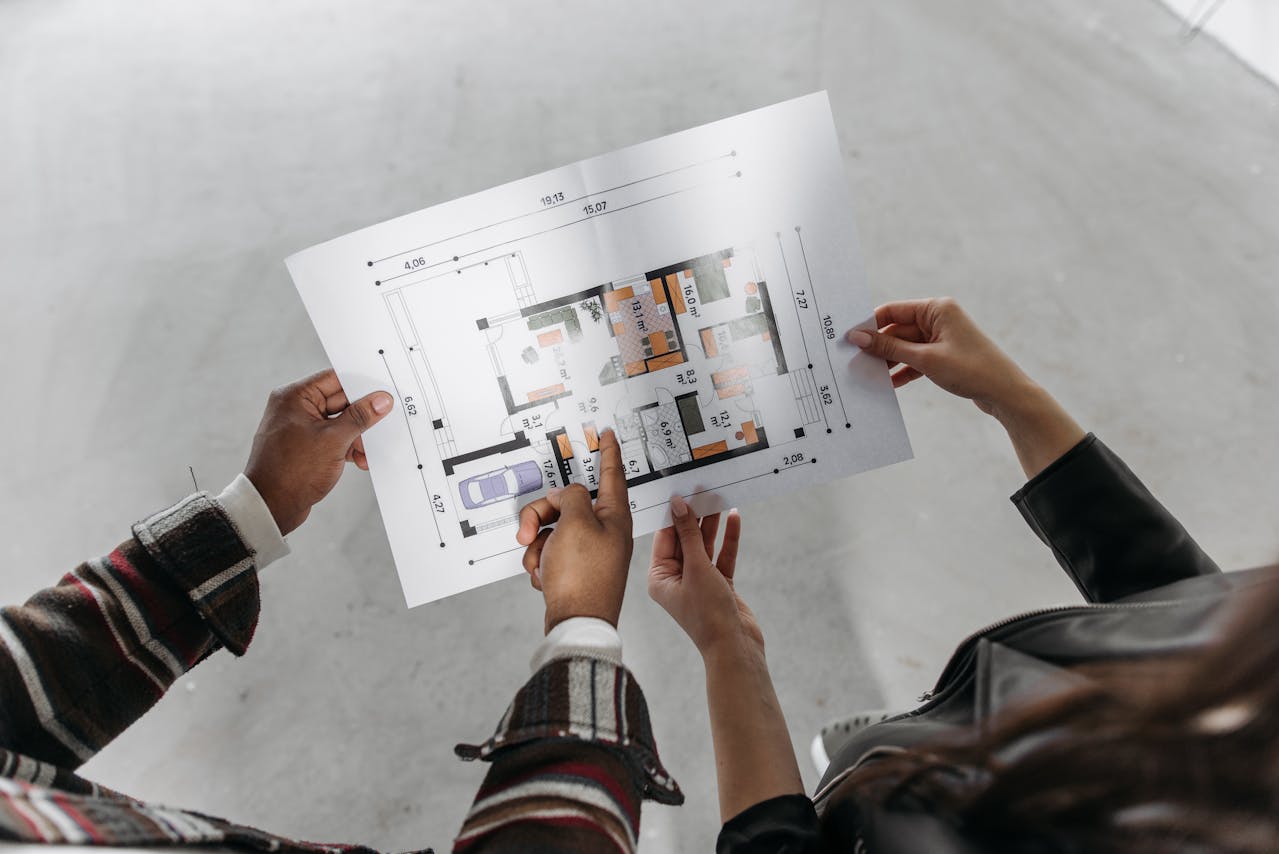 One of the biggest advantages of prefabricated housing is the ability to choose from a range of layouts. Whether you need a compact home for minimalistic living, a spacious family design, or a multi-level property, prefab options can be adapted to suit your requirements. Many manufacturers offer modular designs, meaning additional rooms or extensions can be added over time, giving homeowners the flexibility to adjust as their families grow or their lifestyles change.
A Wide Range of Aesthetic Choices
Prefabricated houses no longer follow a single style. Buyers can now select from modern, minimalist designs, rustic looks, or traditional aesthetics that blend seamlessly into existing neighborhoods. Exterior finishes such as wood, brick, or eco-friendly materials allow for further personalization. Inside the home, homeowners can customize flooring, wall finishes, cabinetry, and color palettes to reflect their personal taste. This level of design freedom ensures prefab houses feel unique rather than standardized.
Integration of Modern Technologies
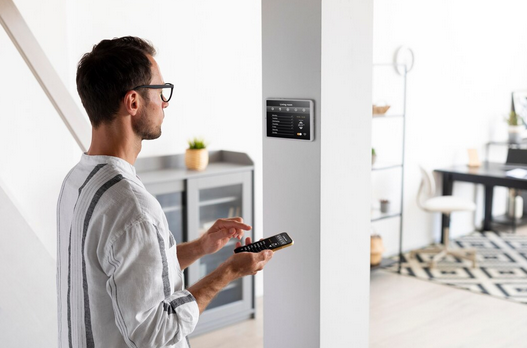
Customization also extends to incorporating smart technologies and eco-friendly solutions. Homeowners can request features such as energy-efficient windows, solar panels, advanced insulation, and smart home systems for lighting, heating, and security. These upgrades not only enhance comfort but also make the home more sustainable and cost-effective in the long run. The ability to integrate modern technologies ensures prefab houses remain adaptable to changing needs and innovations.
Balancing the Budget with Personalization
While customization opens many possibilities, it’s important to consider the budget. Standard prefab models are often the most affordable, but adding premium finishes, larger spaces, or advanced technologies can significantly increase costs. The benefit, however, is that homeowners have control over which features to prioritize, allowing them to balance affordability with design preferences. This flexibility makes prefab homes attractive to a wide range of buyers.
Future-Proof Living
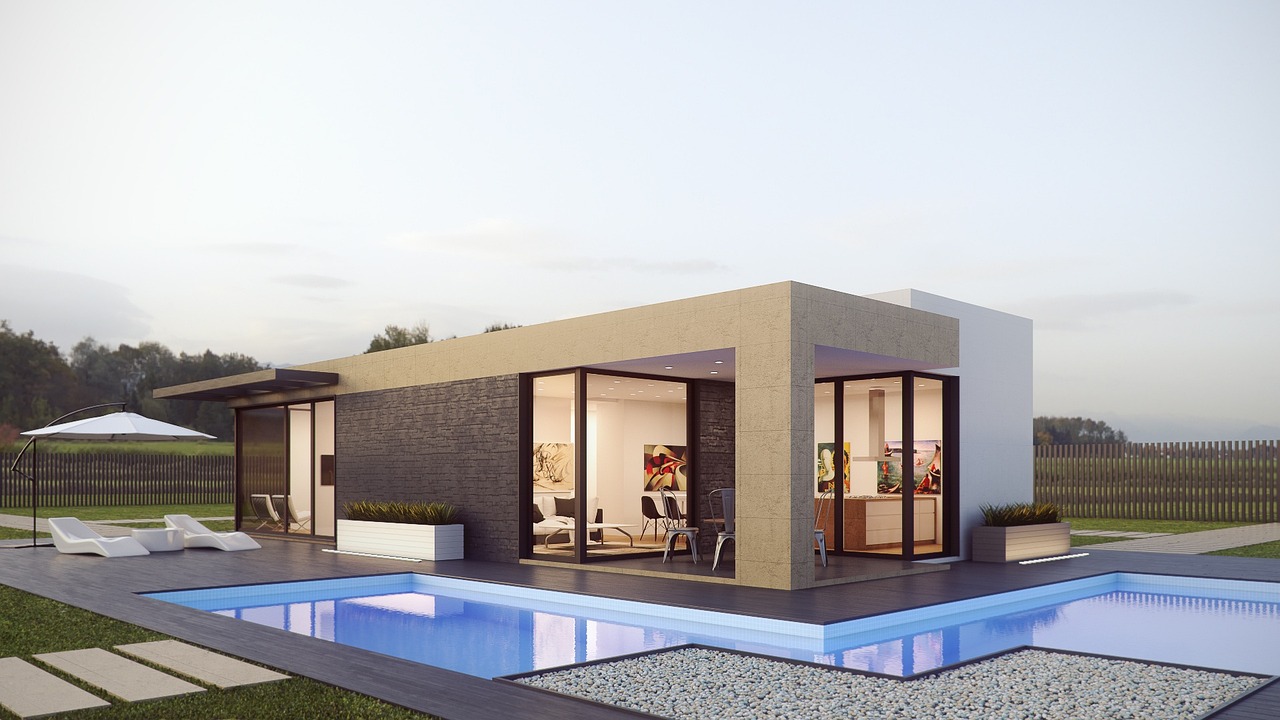
Because of their modular nature, prefabricated homes are easier to adapt in the future. Whether it’s adding an office space, a guest room, or upgrading with the latest smart technology, these houses provide long-term flexibility. This adaptability ensures that homeowners won’t outgrow their spaces as quickly, making prefab homes a sustainable choice for evolving lifestyles.
Prefabricated houses offer more than affordability and efficiency—they provide design flexibility that empowers homeowners to create personalized living spaces. From tailored layouts and aesthetic choices to modern technology and modular adaptability, prefab homes can be customized to suit individual tastes and needs. This combination of practicality and creativity positions prefabricated housing as a leading option for those who want a home that reflects their identity while meeting future demands.
