
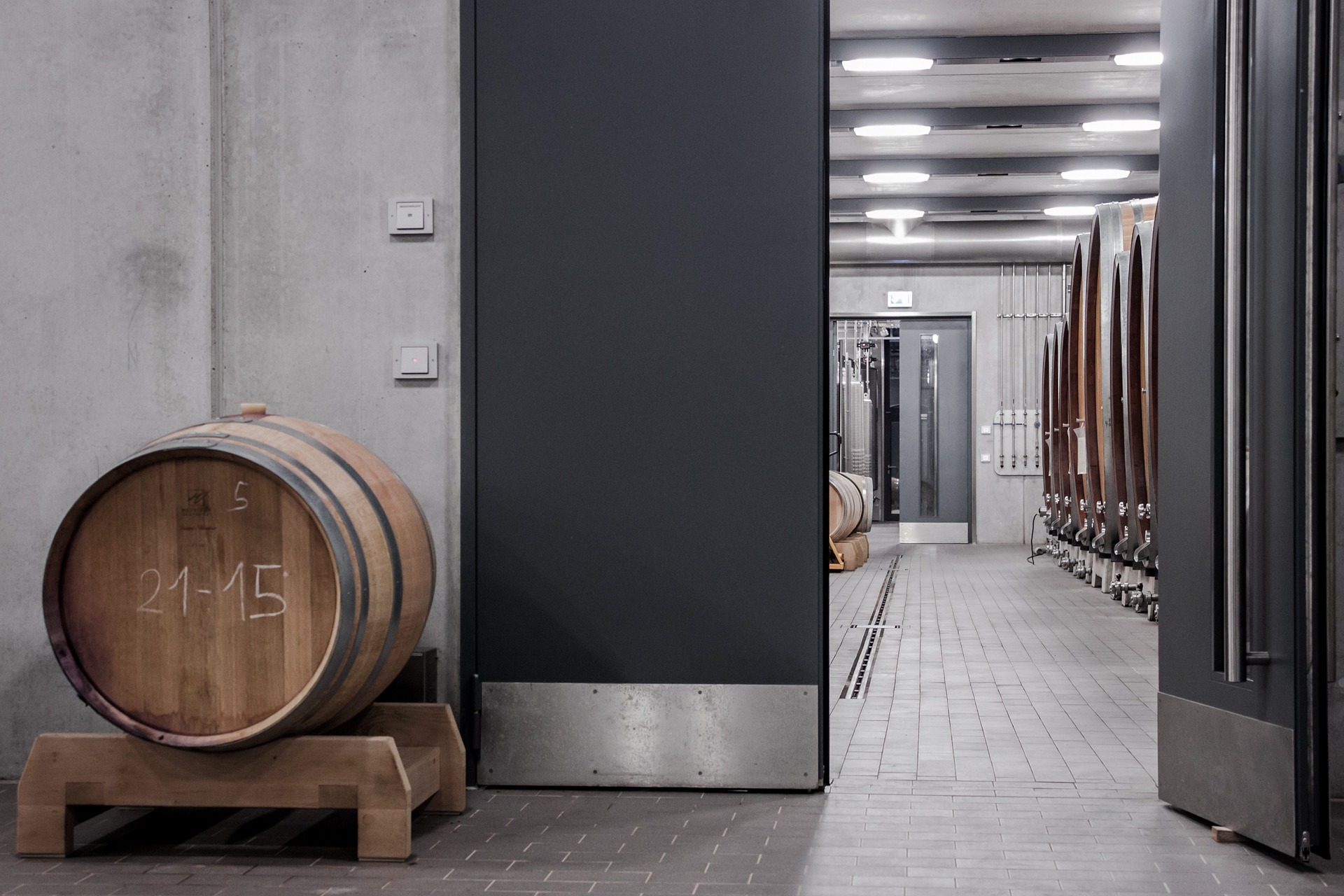
Welcome to our blog post on energy-efficient cellar design. If you’re a wine enthusiast or have a collection of delicate spirits, you know how important it is to create the perfect environment for storage. Not only does proper cellar design ensure that your prized bottles age gracefully, but it also significantly reduces energy consumption and minimizes your ecological footprint. But if you are opting for sustainable cellar construction, read the article from Archzine. In this article, we will share some valuable tips on responsible cooling and lighting strategies for your cellar.
Insulation
Insulation is a critical factor to consider when designing an energy-efficient cellar. It helps create a barrier between the interior and exterior environments, minimising temperature fluctuations. By effectively insulating your cellar walls, floor, and ceiling, you can reduce the need for excessive cooling or heating. One popular insulation material is spray foam, which provides excellent coverage and seals any gaps or cracks in the walls. Another option is rigid foam board insulation, which offers high thermal resistance and can be easily installed during construction or renovation. When it comes to flooring, using materials like cork or rubber provides insulation and act as shock absorbers for any accidental drops of precious bottles.
Efficient Cooling System
When designing an energy-efficient cellar, one of the key factors to consider is a reliable and efficient cooling system. This is essential for maintaining your cellar’s ideal temperature and humidity levels. There are several options available when it comes to cooling systems for cellars. One popular choice is a split cooling system, which consists of two components: an evaporator unit inside the cellar and a condenser unit outside. This setup allows for better control over temperature and prevents excessive heat buildup. Another option is a ducted cooling system, where cooled air is distributed through ducts into the cellar. This can be more cost-effective if you have multiple cellars or a larger space to cool.
Temperature and Humidity Controls
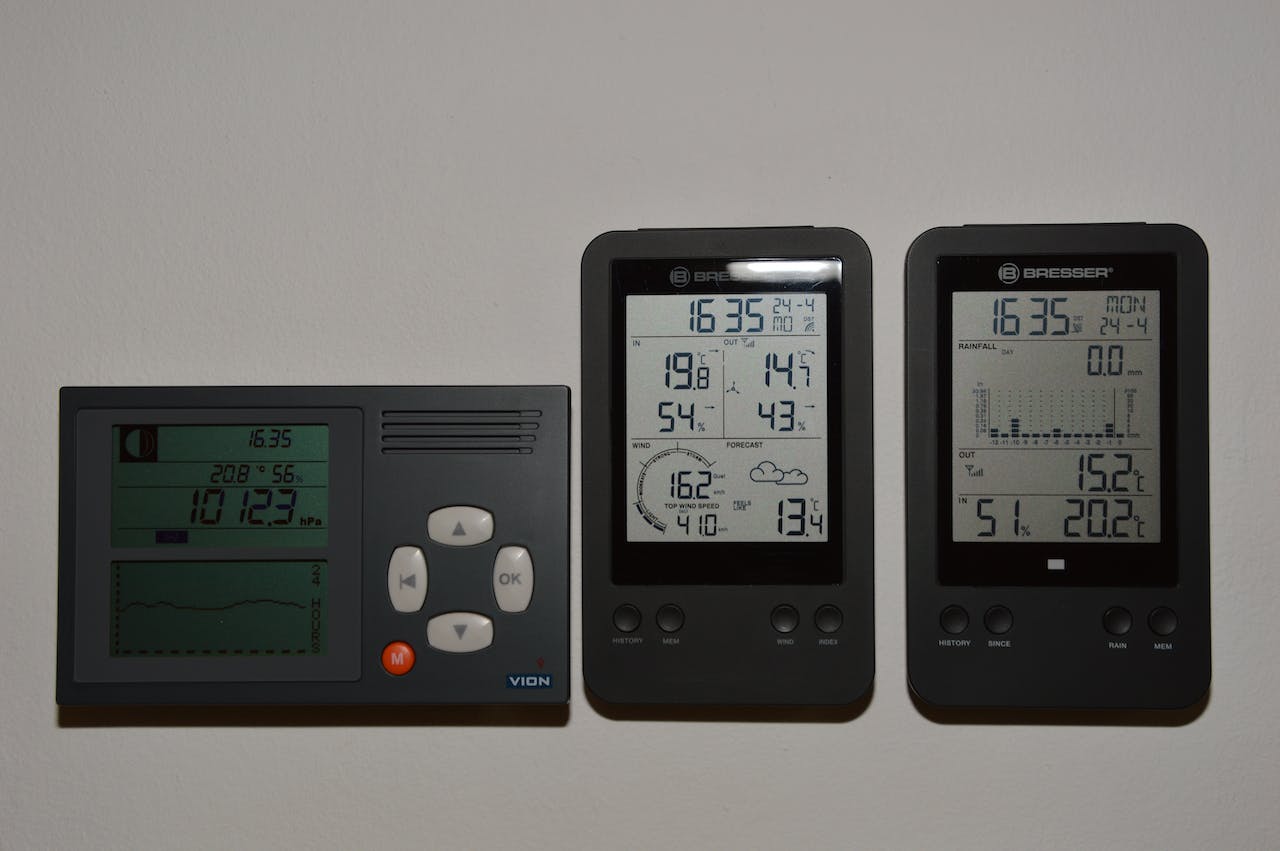
When designing an energy-efficient cellar, it’s important to consider temperature and humidity controls. These factors are crucial for maintaining the ideal storage conditions for wine or other perishable items. Temperature control is essential to prevent fluctuations that can damage the quality of your stored goods. Investing in a high-quality thermostat or climate control system will help maintain a consistent and optimal temperature range. Additionally, proper insulation helps to minimize heat transfer from outside sources, reducing the need for excess cooling. Humidity levels also play a significant role in cellar design. Too much humidity can lead to mould growth and label deterioration, while too little can cause corks to dry out and compromise the integrity of your bottles. Installing a humidifier or dehumidifier along with regular monitoring ensures that you maintain the right balance.
LED Lighting
When it comes to designing an energy-efficient cellar, one important aspect to consider is lighting. Traditional incandescent bulbs can be incredibly inefficient and consume a lot of electricity. That’s where LED lighting comes in. LED stands for light emitting diodes, and these lights are known for their efficiency and longevity. Compared to incandescent bulbs, LEDs use significantly less energy while still providing the same amount of light output. This means you can illuminate your cellar without worrying about excessive energy consumption or high utility bills. In addition to being energy-efficient, LED lights have a longer lifespan than traditional bulbs.
Adopting energy-efficient practices in cellar design helps you create optimized storage space and contributes positively towards environmental sustainability. From insulation to efficient cooling systems, as well as proper temperature and humidity controls along with LED lighting solutions – every aspect of responsible cellar design can significantly reduce energy consumption while safeguarding the quality of your wines. So embrace sustainable practices when designing or upgrading your wine cellar – because when it comes to enjoying fine wines responsibly, both inside and outside the bottle matters.
