

Like most people, you probably don’t think about your water often. But the truth is, the quality of water you drink is essential. Not only does it affect your health, but it also impacts the environment. That’s why more and more people are choosing to install a whole house water filter in their homes. If you’re thinking about doing the same, here are four steps to help you choose the right filter for your needs.
Step 1: Test your Water
 The first step is to find out what’s actually in your water. The only way to do this is to have it tested by a professional. They’ll be able to tell you what contaminants are present and at what levels. This information is important because it will help you determine which type of filter you need. There are two main types of water contaminants: particulates and chemicals. Particulates are things like dirt, sand, and rust. They can usually be filtered out with a simple mechanical filter. Chemicals, on the other hand, are things like chlorine and lead. They require a more complex filtration system to remove them from your water.
Step 2: Set your Budget
The next step is to set a budget for your purchase. There is a wide range of prices for water filters, and it’s important to find one that fits both your needs and your budget. Once you know how much you’re willing to spend, you can start narrowing down your options. There is a lot to choose from, but with a budget in mind, it will be easier to find the perfect filter for your home.
Step 3: Choose your Type of Water Filter
There are many types of water filters on the market, but not all of them will be effective for your specific needs. The type of water filter you choose should be based on the contaminants in your water supply. If you’re not sure what’s in your water, you can have it tested by a professional. Once you know what’s in your water, you can narrow your options and choose the best type of filter for your home. The most common water filters are activated carbon filters, reverse osmosis filters and ultraviolet (UV) light. Each type of filter has its benefits and drawbacks, so it’s essential to do your research before making a decision.
Step 4: Check the System’s Flow Rate
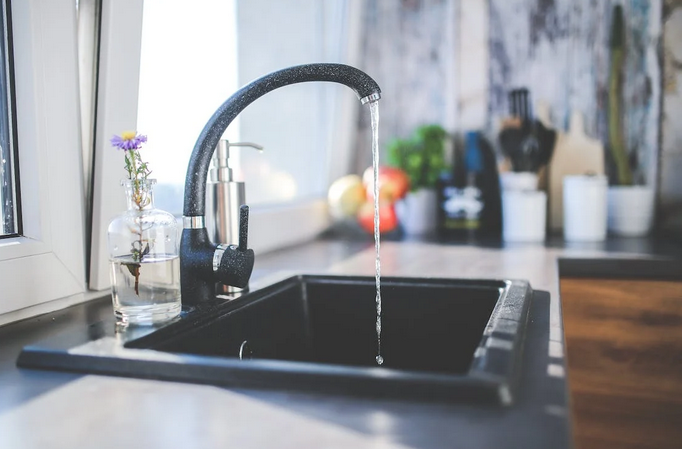 The flow rate is how much water the system can filter in a minute and is an important consideration, especially if you have a large home. The higher the flow rate, the less time you’ll have to wait for filtered water. Most whole house water filters will have a flow rate of 20 gallons per minute (GPM).
Whole house water filters are becoming increasingly popular as people become more aware of the importance of drinking clean water. You have to consider a few things before you purchase one so that you end up with a filter that meets your specific needs.
