

Although tap and well water may seem safe, there is always a risk of contamination. High contamination levels can cause taste issues and affect the efficiency of your washing machine and dishwasher, even if you have safe water. It is essential to make sure your water is as clean, pure, and free from lead contamination as possible. Now, if you are wondering how to remove lead from drinking water, you can get rid of this issue by installing the most effective water filter in your home.
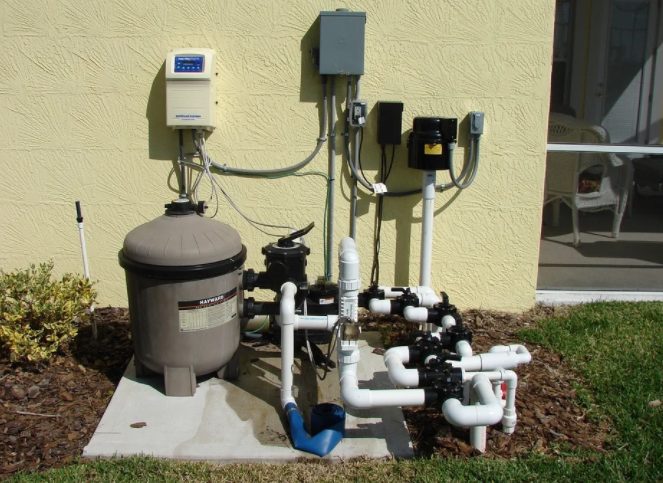
This will make your dishwasher and washing machine more efficient and protect you and your family from the harmful effects of heavy metals in the water. There are many types of filters. Which filter is right for you depends on your particular situation. Below are the various types and their respective features.
Whole-House Water Filtration Systems
With a filter system, you can filter your entire home. You’ll notice that the water in your dishwasher and washing machine is softer. For many reasons, filtered water is more beneficial than tap water. High-quality filters offer a safer alternative to tap water. They are affordable and healthier for the environment. It would be nice to have soft, smooth hair and pure, good-tasting water.
Lead Filtration Systems
Many contaminants can cause damage and make well water unfit for human consumption. These contaminants can include chemicals, dissolved substances, and E.coli bacteria. Many advances have been made in well water filtration. These include more effective methods of removing lead. Lead filtration, lead bacteria removal, and lead removal systems are just a few of the many options for purifying well water.
Reverse Osmosis Systems
The best water purifier is reverse osmosis. It can remove heavy metals and other impurities by up to 99%. To remove impurities, reverse osmosis passes the water through a semi-permeable membrane. This ensures that the water is free of sediment and other toxic substances. From the point where the water reaches your faucets, it is sent to a storage tank. To maintain your reverse osmosis filter, you should replace the membranes and filters every six to two years. How often the filter needs to be replaced depends on the type of filter and the amount of water you drink.
Water Softeners
Cation exchangers or water softeners are water softening systems that remove calcium and magnesium from hard water. They also exchange them for potassium or sodium. These systems can be used to supply water to the entire home. Water softeners remove harmful minerals. They can damage your pipes if they build up inside them. Water softeners are a great addition to your home. They can reduce heat and water buildup in your lines and help you save on energy and cleaning products.
Carbon Filter Systems
Carbon filter systems are prevalent because they are easy to install and affordable. Activated carbon filter stones are attached to the faucet. This triggers a chemical reaction that removes heavy metals, parasites, and chemicals from the water. Carbon filters immediately improve water quality. However, filters must be replaced frequently. It is essential to be sure that the water is safe. Businesses need clean water to run smoothly. You can be sure that your family is safe and that your washing machine and dishwasher work efficiently.
